
01 · Discover · One model, different contexts
Understand why it works.
Start with three questions: What is the idea trying to achieve? How does it achieve that result? What must be true for that mechanism to achieve that objective? Explore them through the fishing-nets-to-sandals story.
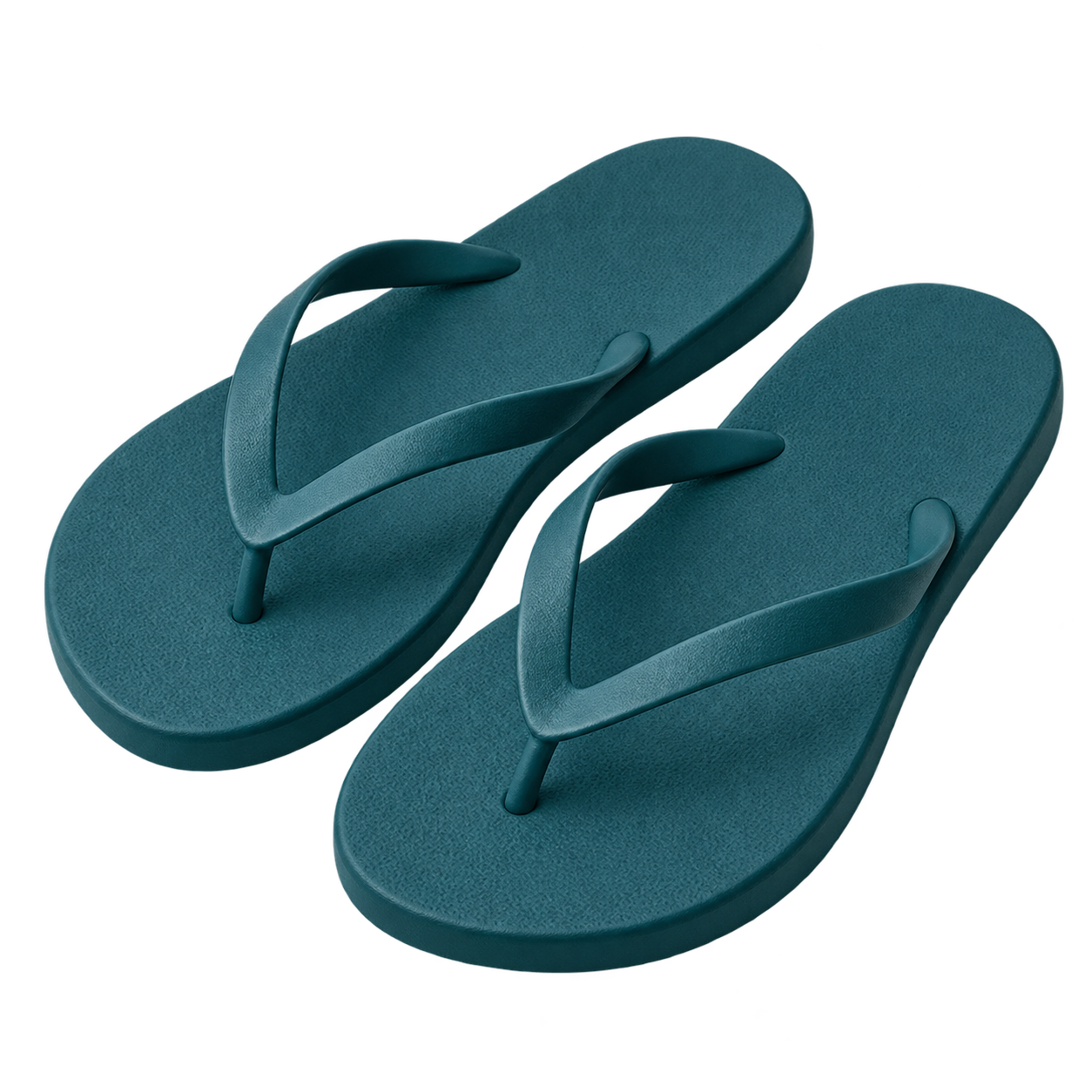
The starting story
Discarded material.
A useful product.
A potential livelihood.
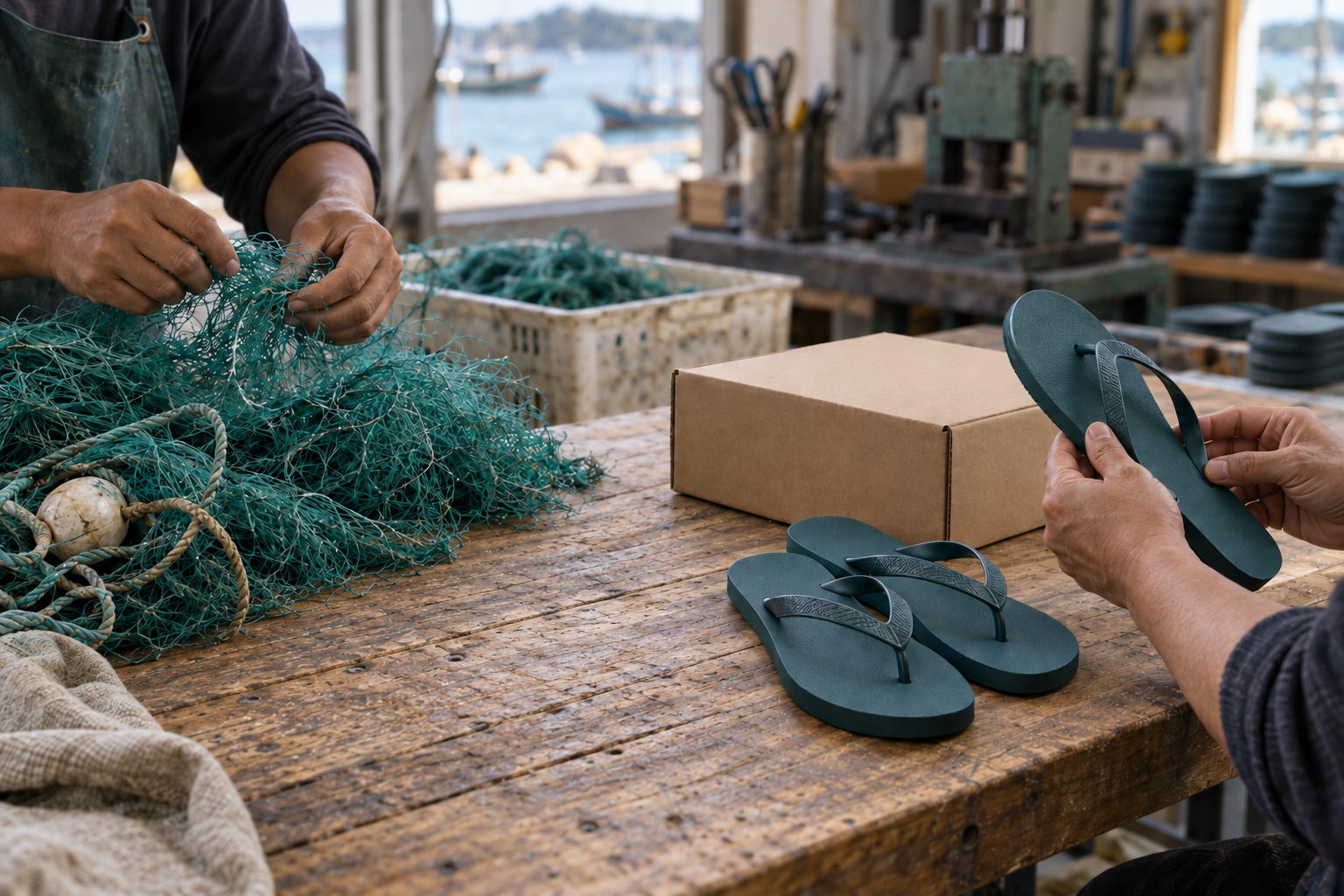
Imagine a venture that collects discarded fishing nets and works with suitable processing and footwear partners to turn recovered material into sandal components. Customers pay for useful footwear, creating a possible revenue stream for the work of collecting, processing, making, and selling.
An illustrative learning story: explore the model, then investigate the material, production, and market evidence needed to put it into practice.
Start with these three questions
Objective. Mechanism. Conditions.
What is it trying to achieve?
Create local income by turning discarded material into products people value.
How does it achieve that result?
Connect a discarded-material supply with production capabilities and paying customers, generating enough value to support the work.
What must be true for that mechanism to achieve that objective?
The material must be usable and reliably available, production must deliver suitable quality at workable costs, and customers must be willing to pay.
Sandals are the product in this story. Understanding the objective, mechanism, and conditions reveals the model behind them.
Understand the mechanism
Follow the value.
- Material supply: Recover and prepare usable fishing nets.
- Production: Transform recovered material into quality footwear.
- Market demand: Offer footwear customers want at a price they will pay.
- Local income: Generate revenue that covers costs and pays the people involved.
The mechanism links discarded material to customer demand, creating value that supports local livelihoods.
Examine the conditions
What does this model depend on?
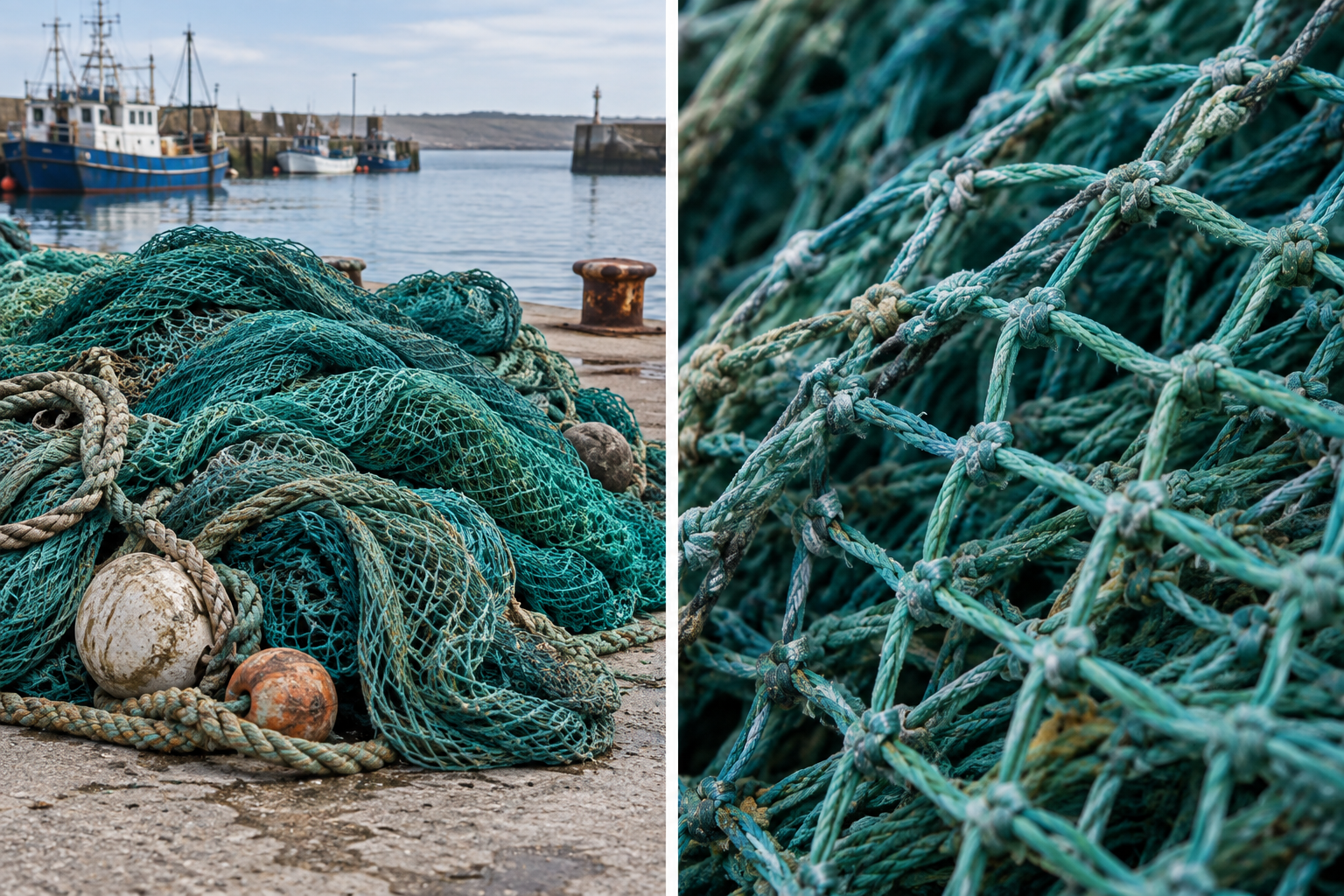
Discarded nets provide the material, but their availability alone does not explain success. They must be usable, partners must be able to process them, and the resulting footwear must meet customer expectations at a viable price. Discovery examines the evidence for each of these conditions.
Look for evidence
A promising story is a starting point.
Objective evidence
What results does the venture actually achieve? Look for evidence of material recovered and income created.
Mechanism evidence
Which activities and relationships produce those results? Trace the material, work, costs, and revenue.
Conditions evidence
What does the process depend on? Look for evidence of reliable supply, suitable capabilities, viable costs, and demand.
Ready to transfer?
Can you explain the model without naming the product?
Describe the objective, the mechanism that achieves it, and the conditions it depends on. Separate evidence from assumptions. Then explore where that same logic could work elsewhere.